
Beyond Cleaning: Expert Insights on Pool Water Quality
Understanding Pool Water Quality
When we think about pool maintenance, the focus often falls on cleaning the surfaces and ensuring the surroundings are tidy. However, pool water quality plays a crucial role in the overall health and safety of your swimming environment. Understanding the components that contribute to pool water quality is essential for every pool owner.
Proper water quality management not only ensures a pleasant swimming experience but also prevents the growth of harmful bacteria and algae. This guide will delve into the various aspects of maintaining exceptional pool water quality and provide expert insights on achieving it.

The Role of pH Levels
The pH level of your pool water is a critical factor in maintaining water quality. Ideally, the pH should be between 7.2 and 7.8. This range is optimal for swimmer comfort and the effectiveness of chlorine. A pH that is too low can cause skin and eye irritation, while a high pH can lead to cloudy water and scaling.
Regular monitoring and adjustment of pH levels are necessary to keep your pool water balanced. Simple test kits are available that can help you ensure your pool stays within this ideal range.
Chlorine and Its Importance
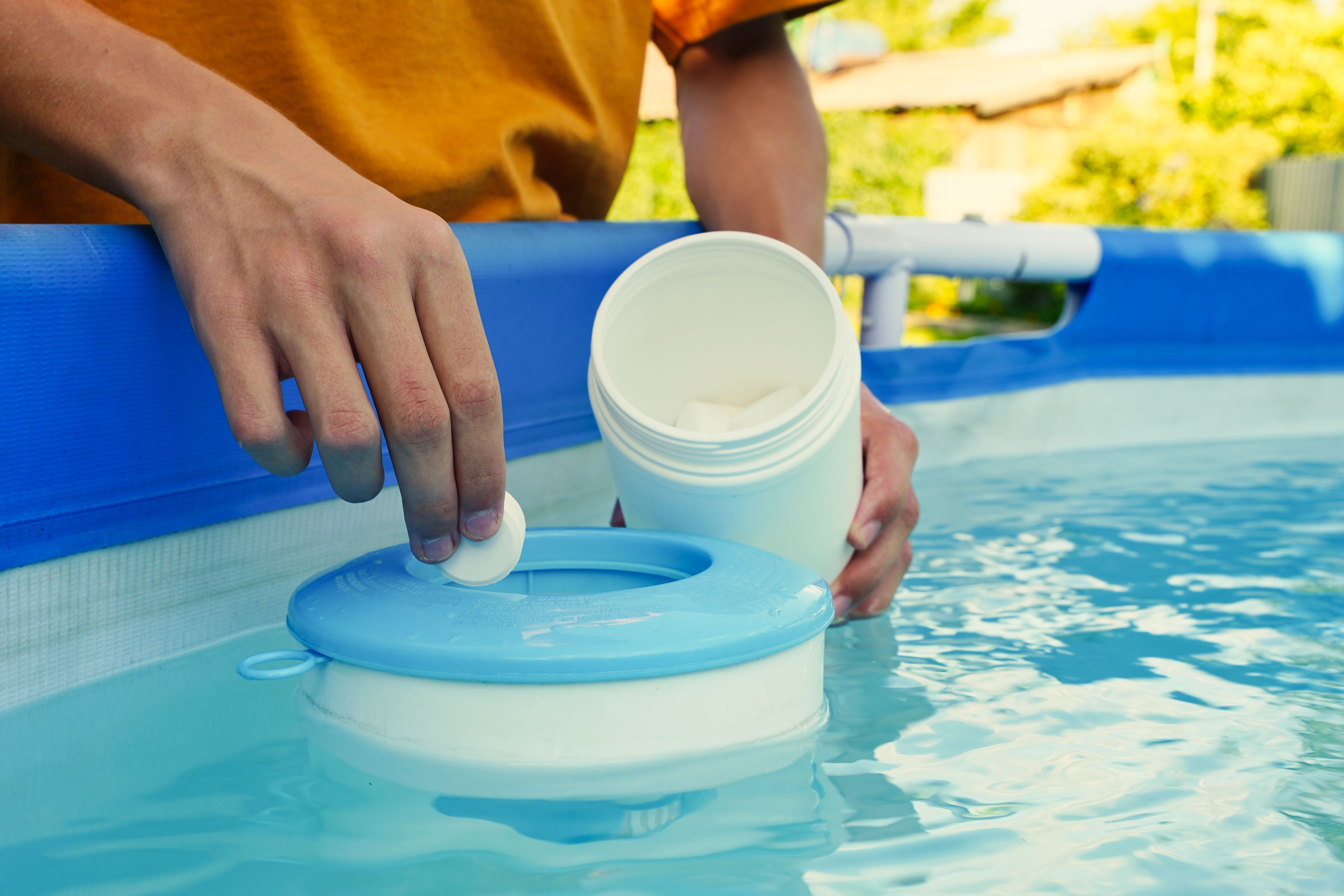
Chlorine is the most common chemical used to sanitize pool water. It helps in eliminating bacteria, viruses, and other microorganisms that may be harmful to swimmers. Maintaining the right chlorine levels is crucial for effective sanitization.
Typically, chlorine levels should be between 1.0 to 3.0 parts per million (ppm). Too little chlorine can result in insufficient sanitization, while too much can cause skin irritations and a strong chlorine odor.
Alkalinity and Hardness
Total alkalinity (TA) is another important aspect of pool water quality. It acts as a buffer for pH, preventing rapid fluctuations that can be damaging to the pool and uncomfortable for swimmers. The recommended range for TA is between 80 and 120 ppm.
Additionally, calcium hardness is crucial to prevent corrosion of pool equipment and surfaces. The ideal range for calcium hardness is 200 to 400 ppm. Both these factors require regular testing and adjustments to maintain optimal levels.
Filtration Systems
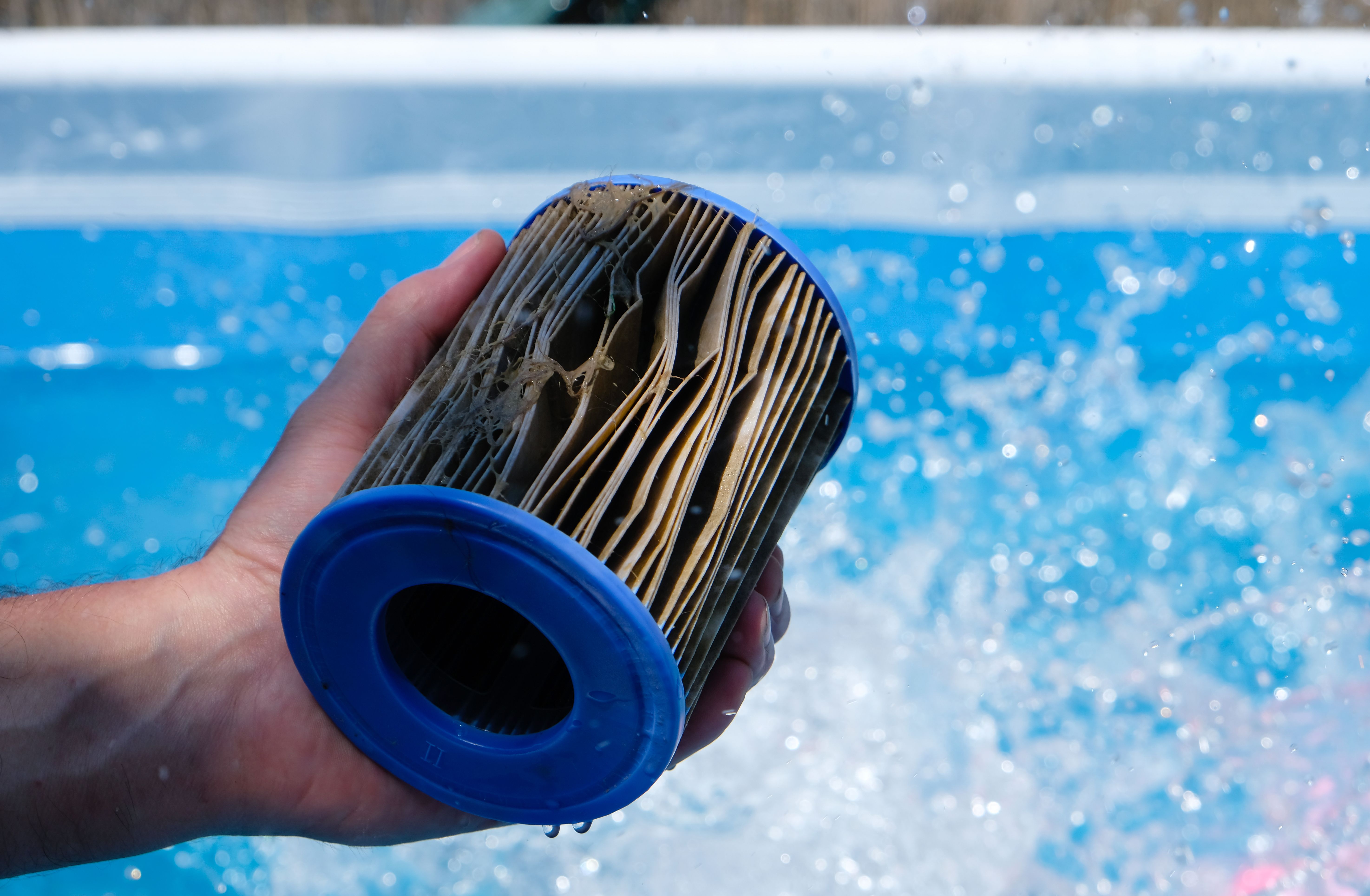
The filtration system is the heart of your pool's water quality management. It helps in removing debris, dirt, and other particles from the water. A well-maintained filter ensures that your pool remains clean and clear.
Regular cleaning and backwashing of your filter system are essential to ensure it operates efficiently. Depending on the type of filter you have—sand, cartridge, or diatomaceous earth—maintenance procedures may vary.
Balancing and Regular Maintenance
Maintaining pool water quality goes beyond just chemicals and filtration. Regular maintenance routines like skimming, brushing, and vacuuming are essential to keep your pool in top condition. These tasks help in removing debris and preventing algae growth.
Implementing a comprehensive maintenance schedule can ensure your pool remains a healthy and inviting place to swim. Regular professional inspections can also help in identifying potential issues before they become major problems.
Expert Advice for Pool Owners
Consulting with pool experts can provide you with tailored advice for your specific pool setup. They can offer insights into the best practices for maintaining water quality, selecting the right chemicals, and optimizing your filtration system.
Staying informed and proactive about pool water quality can lead to a safer and more enjoyable swimming experience for everyone. Remember, beyond cleaning, maintaining a balance of all these elements is key to a healthy pool.