
Common Pool Maintenance Mistakes and How to Avoid Them in Texas
Understanding Pool Chemistry
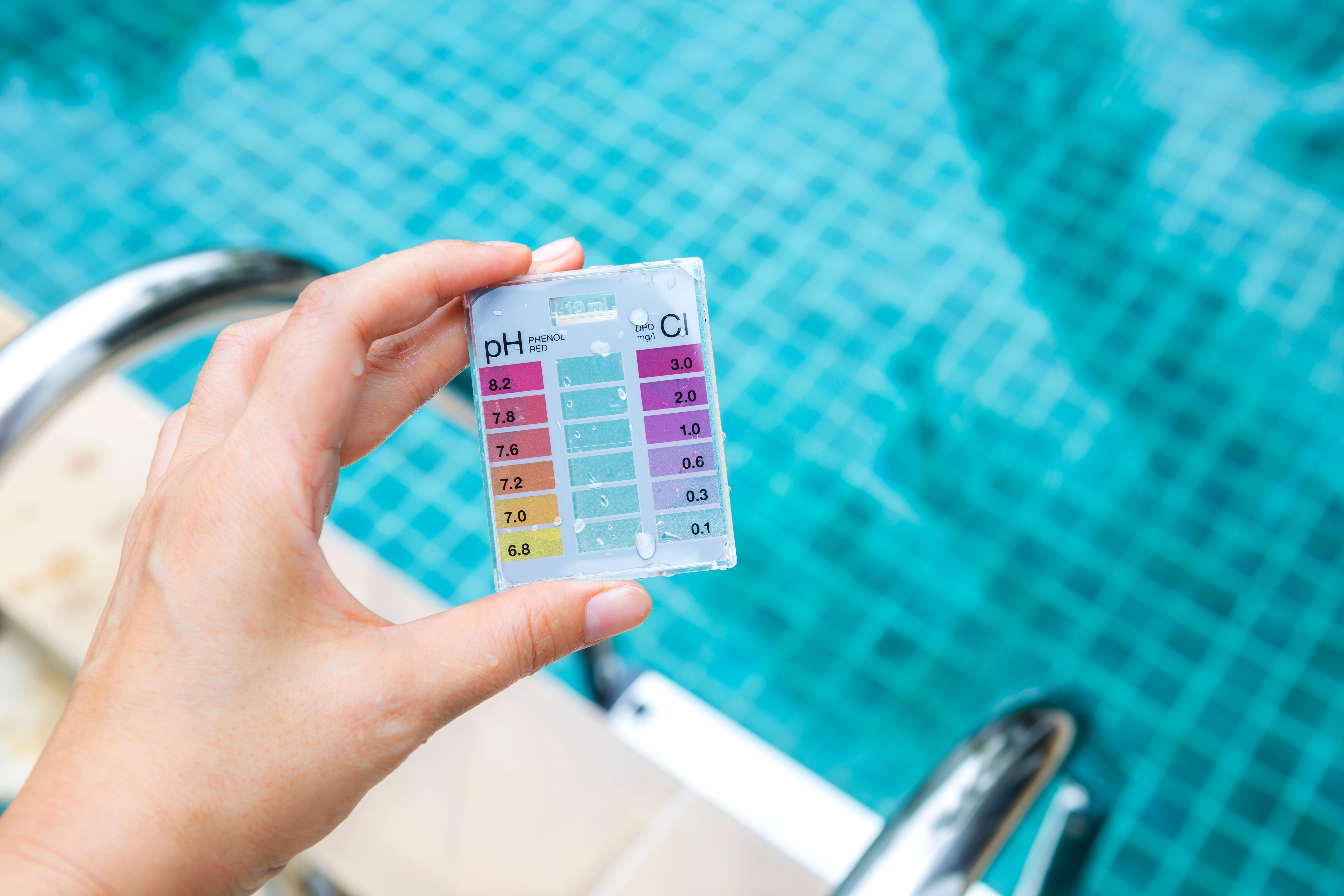
Maintaining proper pool chemistry is crucial for ensuring a safe and enjoyable swimming experience. A common mistake pool owners in Texas make is neglecting the regular testing of water chemistry. It's essential to check and balance the pH, chlorine, and alkalinity levels at least once a week. Failing to do so can lead to cloudy water, skin irritation, and even algae growth.
Tip: Invest in a high-quality pool test kit. It will save you time and money by preventing costly issues down the line.
Overlooking Pool Equipment Maintenance
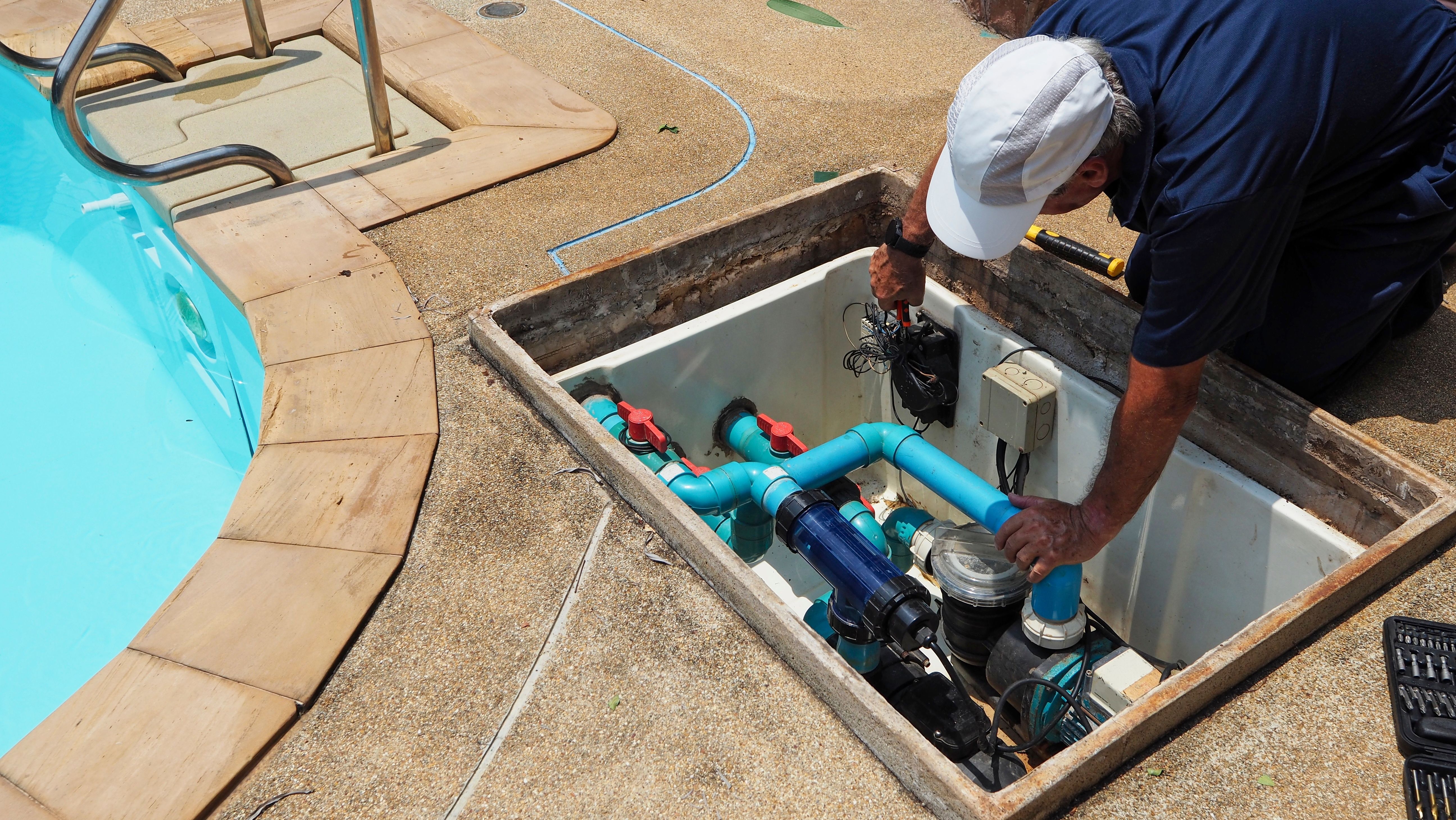
Another frequent oversight is neglecting the maintenance of pool equipment. Filters, pumps, and heaters require regular inspection and cleaning to function efficiently. In Texas, where pools are often in use year-round, equipment can wear out faster due to constant operation.
Regularly check for leaks, strange noises, and debris buildup in your equipment. This proactive approach can help you avoid expensive repairs and ensure your pool remains in top condition.
Ignoring Pool Cleaning
Skimming the surface and vacuuming the pool floor are essential tasks that should be part of your routine maintenance. Many pool owners underestimate the importance of regular cleaning, leading to debris accumulation and potential damage to the pool's surface.
Consider investing in an automatic pool cleaner to make this task easier and more efficient. Remember, a clean pool is not only more inviting but also healthier for swimmers.
Inadequate Water Level Management
Texas's hot climate can cause significant water evaporation. Pool owners often forget to monitor and maintain proper water levels, which can lead to equipment strain and inefficient operation. Ensure that the water level is always halfway up the opening of the skimmer for optimal performance.

Failing to Shock the Pool
Regularly shocking your pool is essential to keep it free from contaminants and bacteria. Many pool owners skip this step, thinking it's unnecessary. However, shocking the pool helps to oxidize organic matter and maintain clear, clean water.
Make it a habit to shock your pool after heavy use, rainstorms, or when you notice the water starting to look dull.
Not Winterizing the Pool
Even in Texas, where winters are milder, failing to winterize your pool can lead to damage. Proper winterization includes lowering the water level, adding winter chemicals, and covering the pool. This process protects your pool from debris and potential freezing damage.

By avoiding these common pool maintenance mistakes, Texas pool owners can ensure their pools remain clean, safe, and ready for enjoyment year-round. Implement these strategies, and you'll enjoy a more pleasant and hassle-free pool ownership experience.