DIY Pool Maintenance: Essential Tips for Fredericksburg Homeowners
Understanding Pool Chemistry
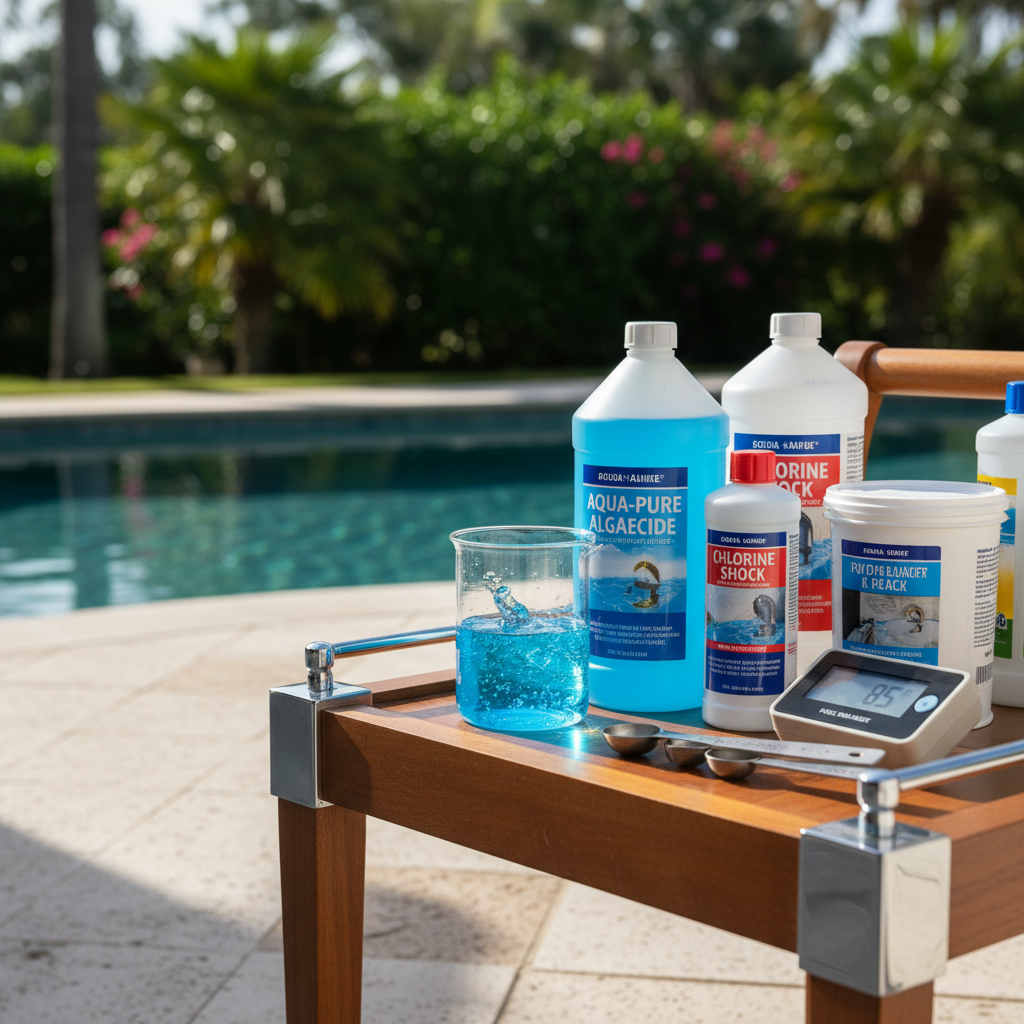
Maintaining the right chemical balance in your pool is crucial for keeping the water clean and safe. The primary elements to monitor are pH levels, alkalinity, and chlorine. Aim to keep the pH between 7.2 and 7.8. This range ensures that the water is comfortable for swimmers and that the chlorine works effectively.
Regularly test the water using a reliable pool testing kit. This will help you make informed decisions about adding chemicals. Keeping these elements balanced will prevent issues such as algae growth and skin irritation.
Cleaning Your Pool
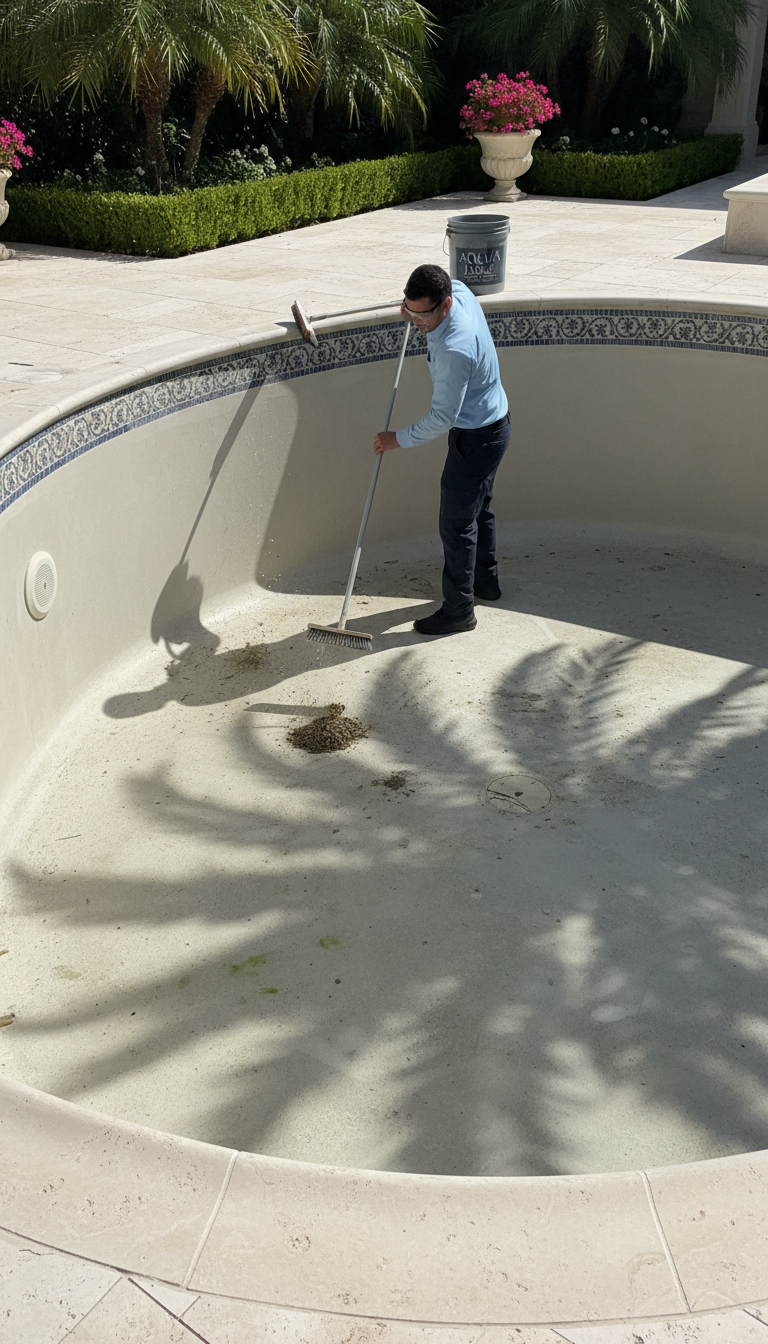
Regular cleaning is essential to maintain a pristine pool environment. Skim leaves and debris off the surface daily to prevent them from sinking to the bottom and causing stains. Additionally, vacuum the pool floor weekly to remove dirt and sediment.
Brushing
Brushing the walls and tiles of the pool is crucial to prevent algae buildup. Pay attention to corners and other areas with less circulation. Use a brush suitable for your pool surface to avoid damage.
Maintaining the Pool Filter
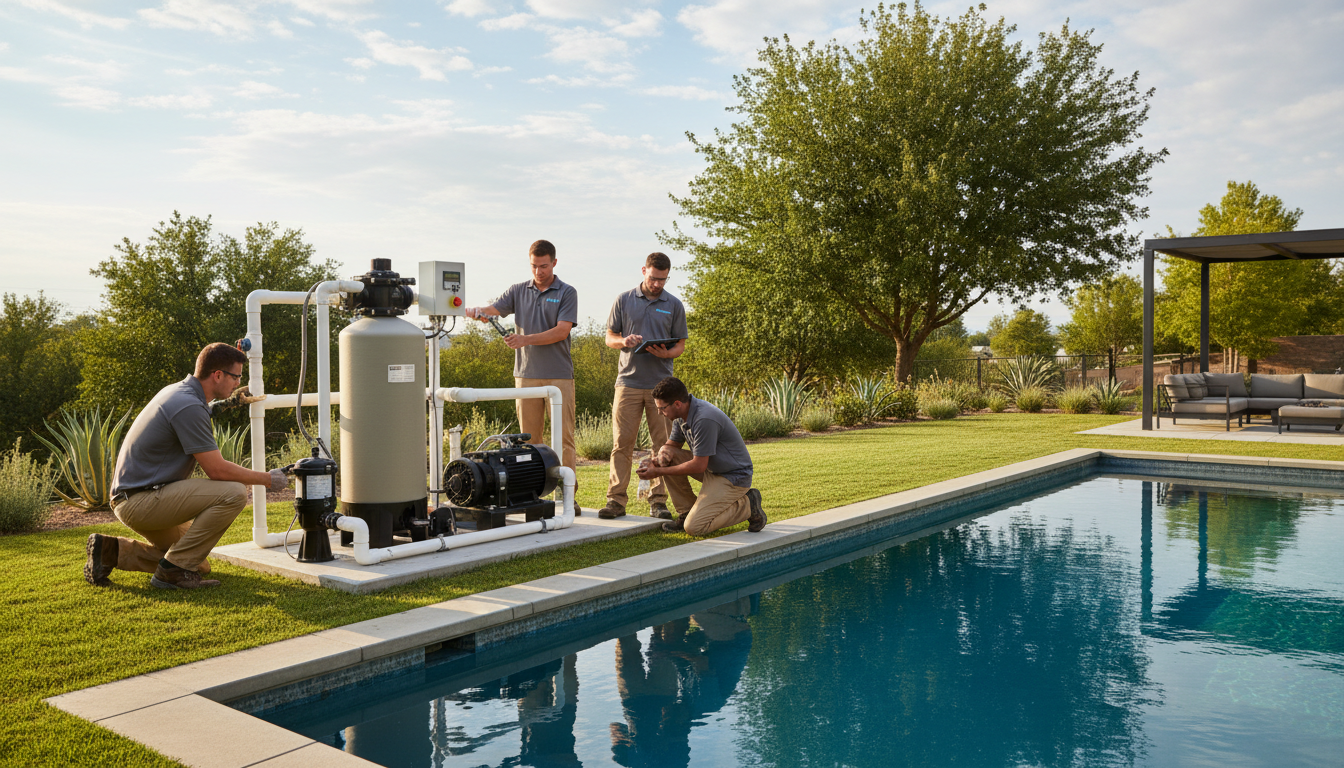
Your pool filter plays a vital role in keeping the water clear. There are three main types of filters: sand, cartridge, and diatomaceous earth (DE). Each type requires different maintenance methods, so consult your filter’s manual for specific instructions.
Regular Backwashing
If you have a sand or DE filter, backwash it regularly to remove trapped debris. Cartridge filters, on the other hand, should be rinsed and soaked in a filter cleaner solution periodically.
Winterizing Your Pool
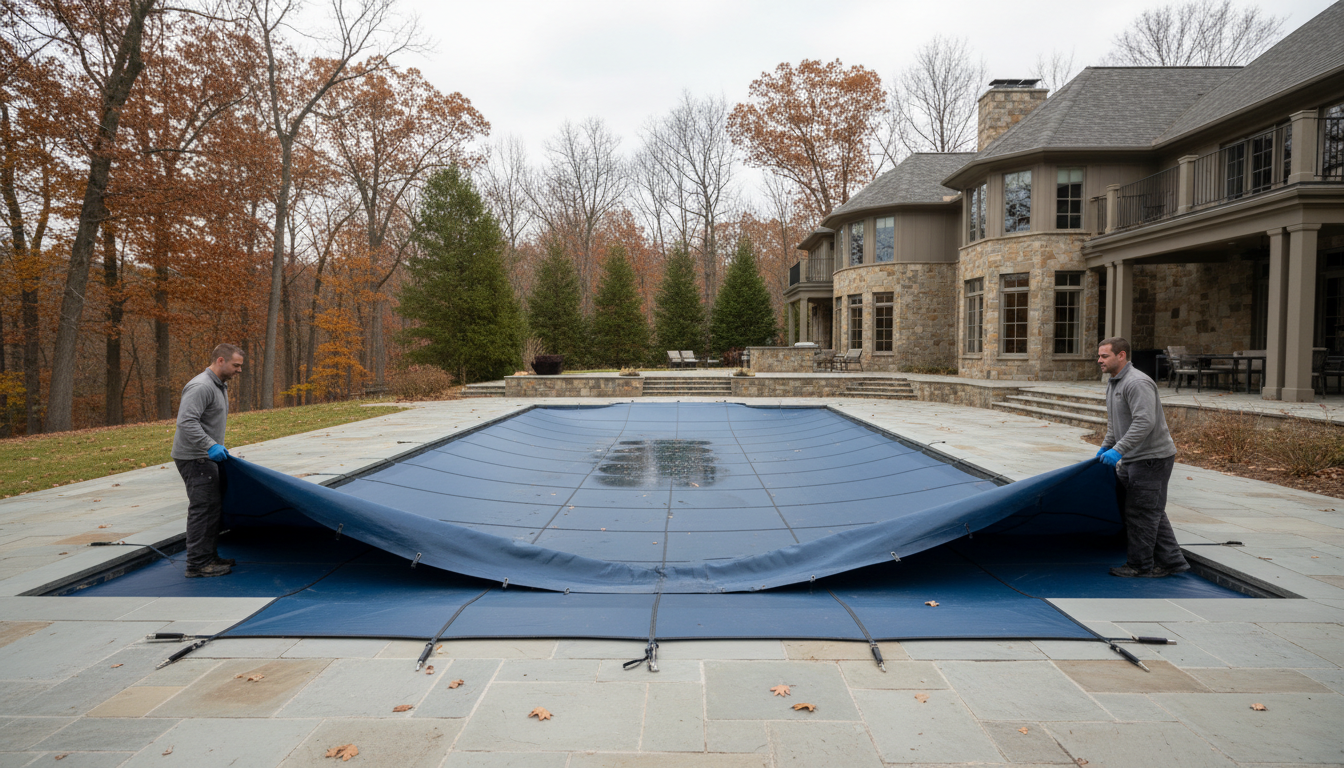
As a Fredericksburg homeowner, preparing your pool for the colder months is essential. Start by balancing the water chemistry and lowering the water level to prevent freezing damage. Remove all pool accessories and cover the pool securely.
Using Antifreeze
Consider using pool antifreeze in the plumbing lines to protect against the harsh winter temperatures. This step can prevent costly repairs when you reopen the pool in the spring.
Energy Efficiency Tips
Running a pool can be energy-intensive, but there are ways to cut costs. Use a pool cover to minimize evaporation and heat loss. Additionally, consider investing in a variable-speed pump, which is more energy-efficient than traditional single-speed pumps.
Installing LED lights instead of incandescent bulbs can also reduce energy consumption. These small changes can lead to significant savings over time.